
- Your cart is empty Browse Shop
How Much Solar Power Do You Really Need for a Blackout?
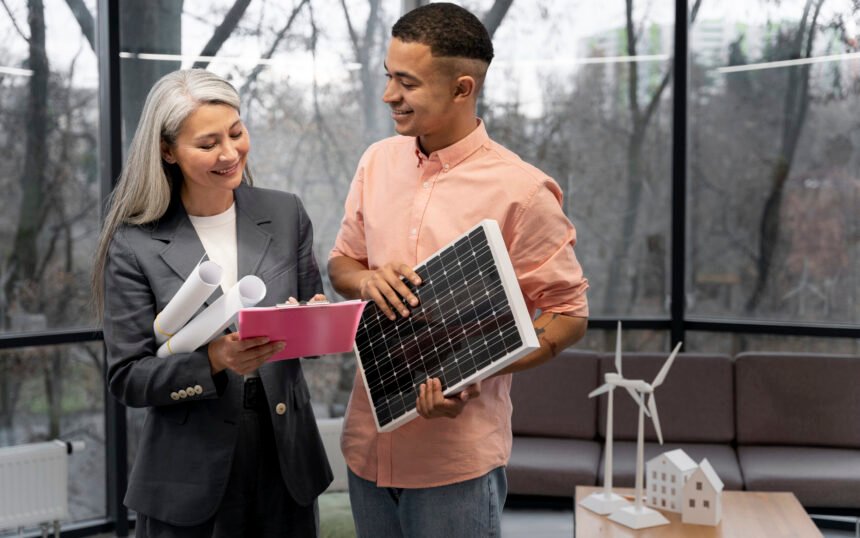
When a blackout strikes, one of the first questions that comes to mind is, “How much solar power do I really need to keep my home running?” The answer depends largely on your energy consumption and which appliances you want to keep operating. For some households, a solar setup that powers essentials like lights, fans, refrigerators, and phone chargers may be enough. Others may want to go further and include air conditioning, water pumps, or entertainment systems. The size of your system will always depend on balancing comfort with practicality.
A good starting point is to calculate your daily energy requirements during an outage. For example, a refrigerator might consume about 1–2 kWh per day, LED lights could use 0.1–0.5 kWh depending on the number, and charging devices adds a little more. If you only need to cover the basics, a small solar system with a 1–2 kW capacity paired with a battery backup could keep you running. On the other hand, if you want to power heavy appliances like air conditioners or electric stoves, you might need a 5 kW or larger system, plus a bigger battery bank.
Another key factor is storage capacity. Solar panels generate electricity only when the sun is shining, but a blackout doesn’t follow that schedule. That’s why batteries are crucial—they store the excess energy produced during the day for use at night or during cloudy conditions. A typical home might need between 10–15 kWh of storage to comfortably get through the evening hours in a blackout scenario. Smaller backup batteries can keep essentials alive, but if you want peace of mind for several hours—or even days—of power loss, investing in a higher-capacity battery system is worth it.
Ultimately, the right solar power solution depends on your budget, lifestyle, and energy goals. If you just want to avoid sitting in the dark, a modest solar-plus-battery setup will suffice. But if you want your life to continue almost uninterrupted during a blackout, you’ll need a more robust system. Either way, solar power provides a reliable, renewable, and cost-effective way to safeguard your home from the uncertainty of grid failures.