

- Your cart is empty Browse Shop
How Long Does It Take to Charge a Solar Generator?
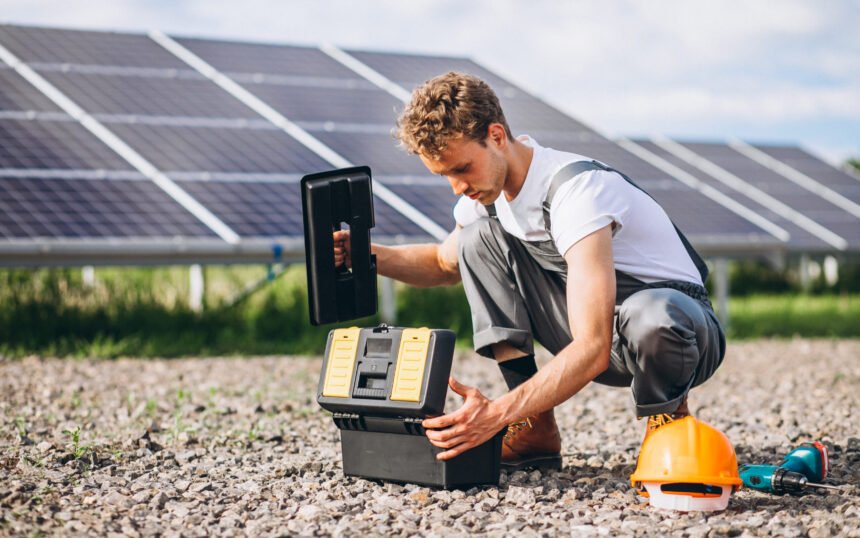
The time it takes to charge a solar generator depends on several factors, including the size of the battery, the number and wattage of solar panels, and the amount of sunlight available. For instance, a small solar generator with a 500Wh battery might take 6–8 hours to charge fully with a single 100-watt panel under ideal sunlight conditions. On the other hand, a larger system with a 2,000Wh battery could take 10–20 hours or even longer if the solar input is limited. Weather conditions also play a major role—cloudy days or shaded areas can significantly reduce the efficiency of solar charging, stretching the time it takes to get a full charge.
Another important factor is the solar input capacity of the generator. Many modern solar generators can handle multiple panels at once, allowing you to cut charging time dramatically. For example, a 2,000Wh solar generator connected to 400 watts of panels might take about 6–7 hours to fully charge in peak sunlight. However, if the same system is only connected to a single 100-watt panel, it could take several days to charge completely. This shows that the size and number of panels you choose to pair with your solar generator directly affect how quickly it can recharge and be ready for use during emergencies.
It’s also worth noting that many solar generators support alternative charging methods, such as wall outlets or car charging. Plugging into an AC wall socket can often recharge a generator much faster than solar panels, sometimes within 3–6 hours depending on the system. Car charging is slower and usually used as a backup, but it provides flexibility when you’re traveling or camping. Combining solar charging with AC charging, when possible, can give you the best of both worlds: renewable energy when you’re off-grid and faster recharges when grid power is available.
Ultimately, the charging time of a solar generator comes down to how you plan to use it and the conditions you’re in. If you need a quick turnaround during emergencies, investing in a generator with higher solar input capacity and multiple panels will be essential. For casual use, such as camping trips or charging small devices, a smaller setup will work fine even if it takes longer to recharge. Understanding the balance between battery size, solar panel input, and charging options will help you choose the right solar generator and avoid frustratingly long wait times when you need power the most.